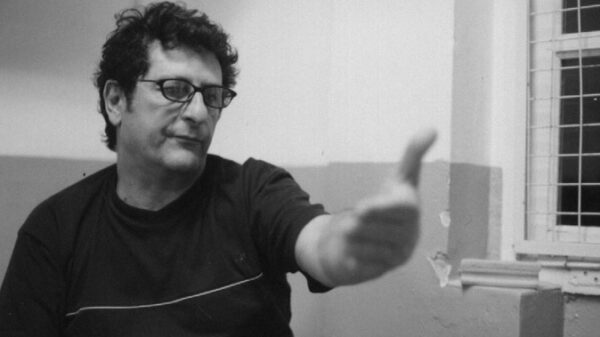
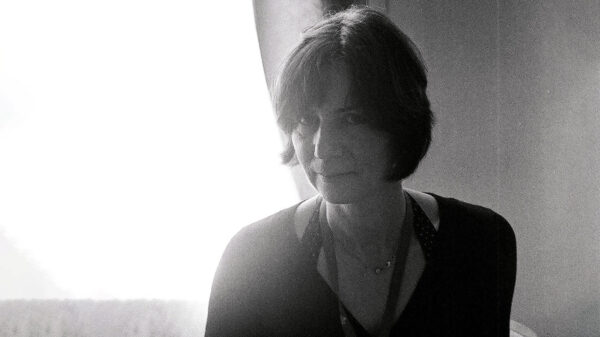






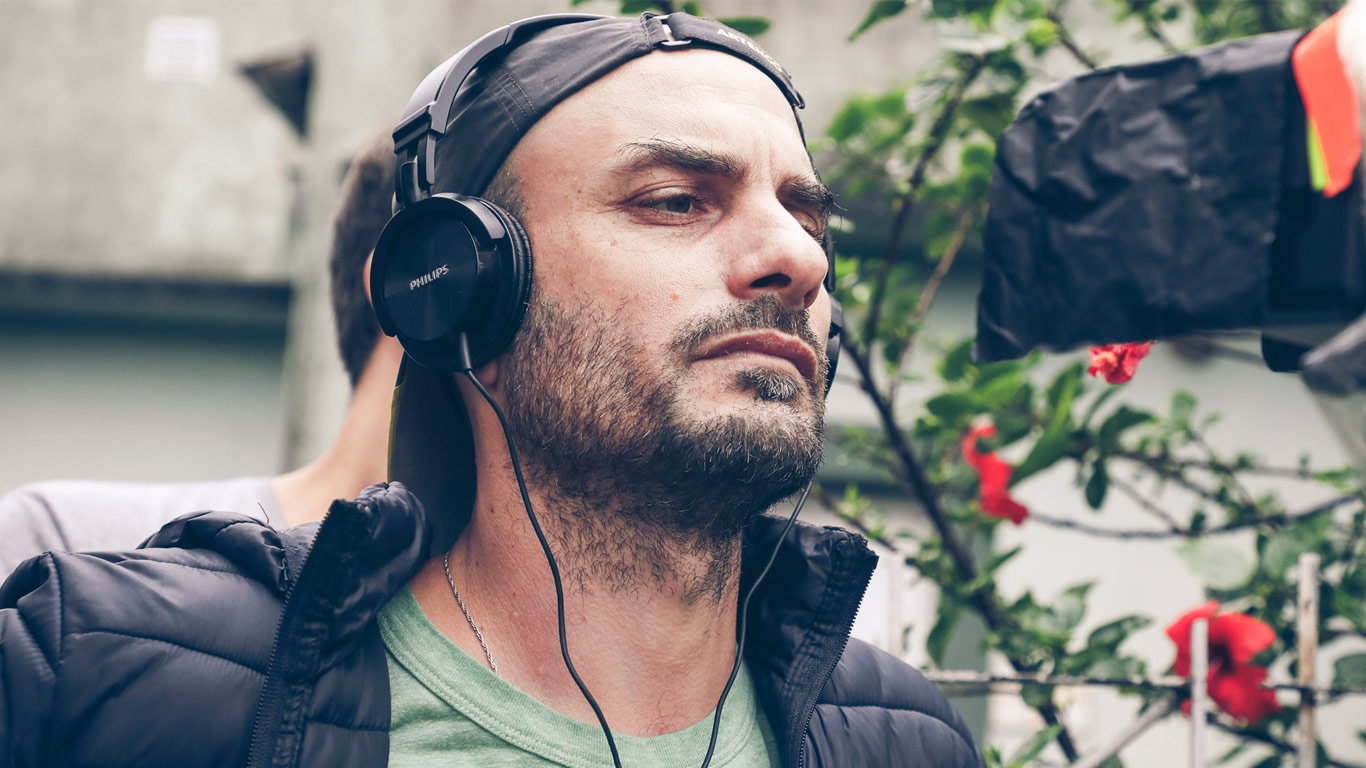
Nicolás Herzog – Progreso, Santa Fe, Argentina.
La sombra del gallo (2020); Vuelo nocturno: La leyenda de las princesitas argentinas (2016); Orquesta roja (2009); entre otras.
(25 de Marzo de 2011 16:02) ¿Por qué filmo?
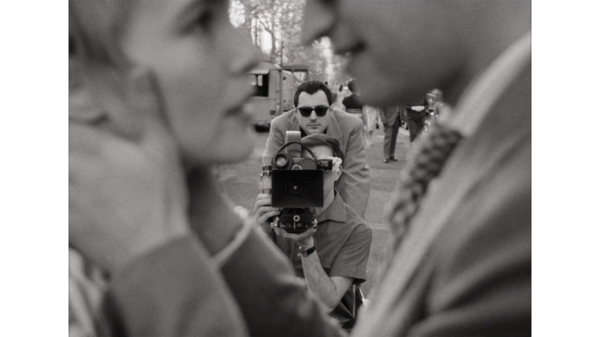
Hace algunos años, el documentalista ruso Victor Kossakovsky redactó un decálogo que contiene lo que para él son las reglas básicas que deberían motivar hacer cine (en su caso, documental). Dos de esas reglas condensan lo que considero principios básicos para involucrarse en la aventura cinematográfica. “No filme si usted puede vivir sin filmar” y “No filme algo que usted odie. O algo que usted ame. Filme cuando usted no esté seguro de que si lo que siente es amor u odio (…) Filme cuanto usted odie y ame al mismo tiempo”.
Me es muy difícil no estar de acuerdo con ambas provocaciones. En primer lugar, “filmar” es acordar un compromiso (ético, formal, profesional) con el hecho u objeto a ser filmado. No sólo filmamos cuando encendemos la cámara y damos la orden de “acción”. Filmar es mucho más que eso: es, ante todo, un punto de vista sobre el mundo, o una porción de él. Somos responsables de la mirada que encarnamos, de la misma manera en que somos responsables de los elementos formales que ponemos en juego a la hora de hacer cine.
Pero, por sobre todas las cosas, filmar es para mí una búsqueda, un avance trabajoso, una batalla apasionada por encontrar una historia que (me) pueda conmover. Estoy convencido que hacer cine modifica nuestras vidas y circunstancias, y por eso creo en una concepción humanista de la acción de filmar. Al hacerlo, nos transformamos cómo personas y obligamos a madurar nuestros prejuicios, a hacerlos evidentes y poder darles batalla. Y en esa puja de amores y odios, de muchas dudas y pocas certezas, como dijo alguna vez el escritor Rodolfo Walsh, avanzamos laboriosamente a través de nuestra propia estupidez.
(March 25th 2011 04:02pm) Why do I make film?
Many years ago, the Russian documentalist Victor Kossakovsky wrote a list of the ten basic rules that should motivate someone to make films (documentaries, in his case). Two of those rules resume what I consider are the most basic statements to get involved in the filmmaking adventure: “Do not make films if you can live without doing it” and “Do not film anything you hate or something that you love. Film when you are not sure if you feel love or hate (…) Make films about what you love and hate at the same time”.
It is very difficult for me to not agree with those two statements. First of all, filming is an agreement (ethical, formal and professional) with the fact or object to be filmed. We don’t only film when we switch on the camera and say “action”. Filming is much more than that: at first, it is a point of view about the world, or a part of it. We are responsible for that view we have, the same way we are responsible for the formal elements that we use when we make a film.
And above all things, for me filming is a passionate search, a battle to find a story that can move me and the others. I’m convinced that making films modifies our lives and circumstances, that’s why I believe in a humanist conception of the action of filming. When we do it we transform ourselves as persons and make appear our prejudices, to make them evident and fight against them. And in that fight between love and hate, between many doubts and a little truth, as one time said the writer Rodolfo Walsh, we walk delicately through our own stupidity.