
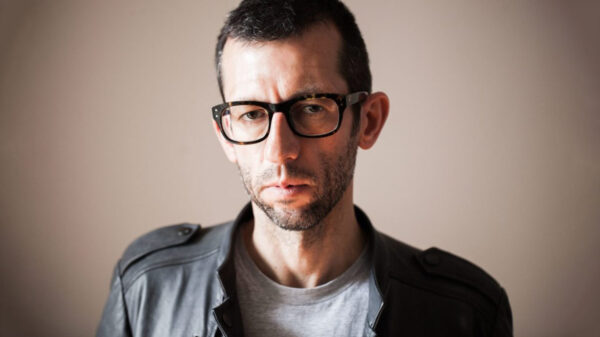





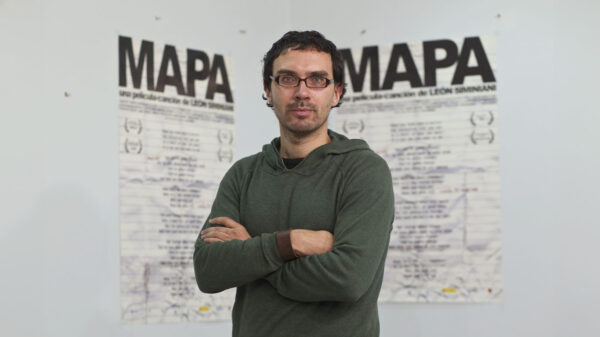
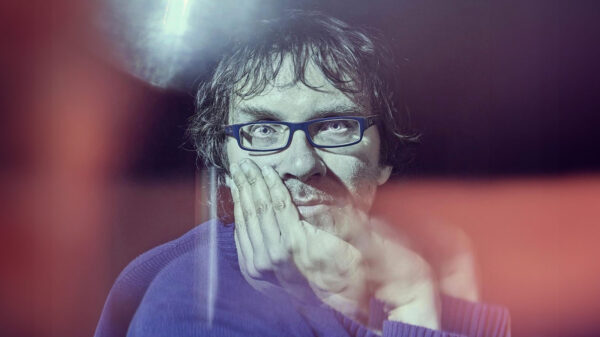






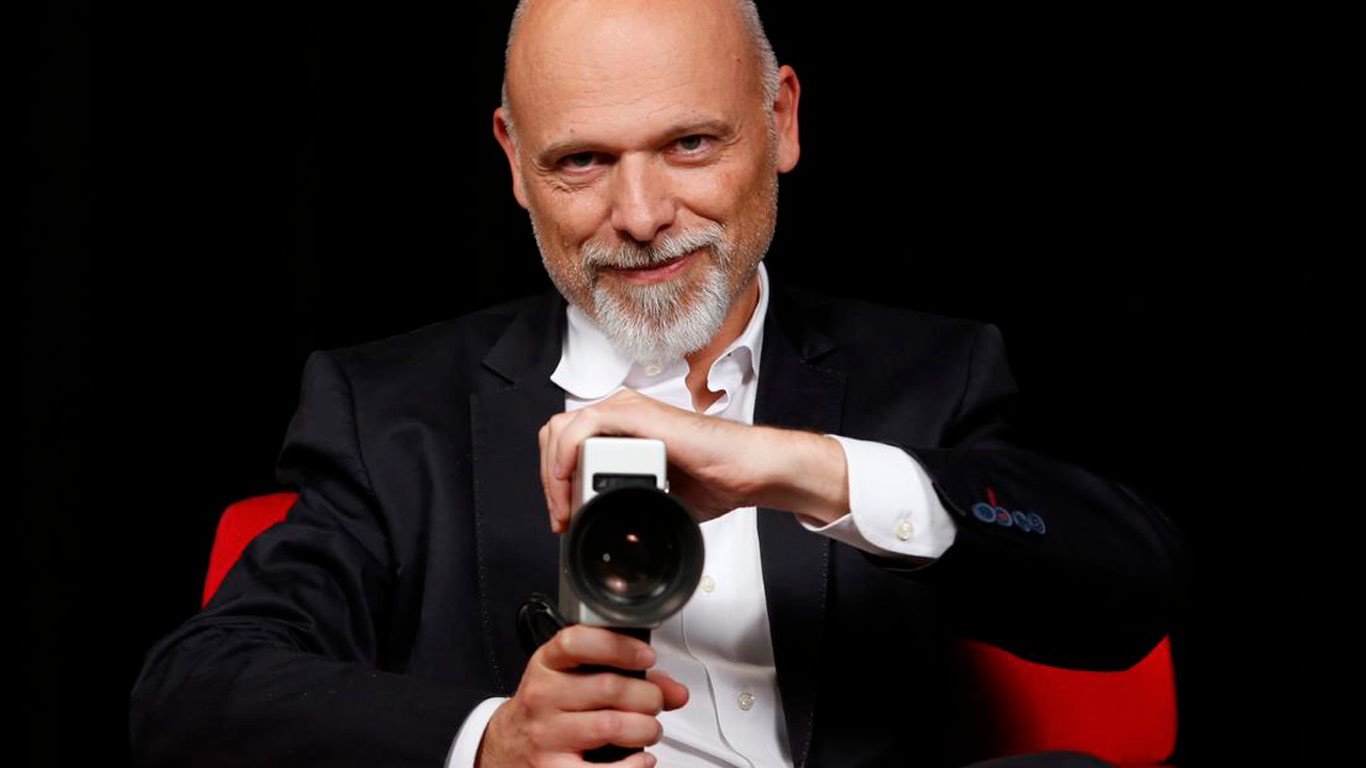
Stefano Knuchel – Locarno, Suiza.
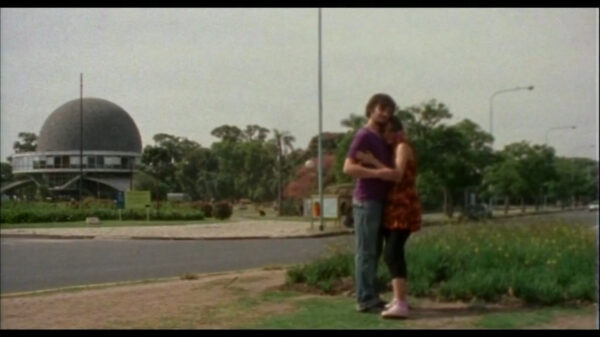
Hugo in Argentina (2021); Quand j’étais Cloclo (2017); Hugo en Afrique (2009); Paint me a life (2005); Nocaut (2004); entre otras.
(23 de Agosto de 2011 19:49) ¿Por qué filmo?
Esta pregunta los directores normalmente se la hacen con una actitud de actores. A veces, se ofrece en el contexto de una entrevista con tono irónico, otras veces, en el set se pronuncia en voz desesperada y condimentada con una expresión desconsolada. Pero en el fondo siempre se trata de una pregunta retórica, porque se sabe muy bien que no existe una alternativa. ¿No hacer películas? ¡Imposible!
Para mí la respuesta más fascinante a la pregunta “¿Por qué filmo?” es la que agrega algo distinto, cada vez que termina una película. Porque sólo entonces se descubre la verdadera razón que nos ha empujado a realizar un proyecto en particular. Todas las motivaciones que se le presentan a los productores y financiadores varios, se muestran, por fin, por lo que realmente son: ¡Mentiras! Normalmente, la mañana después a la primera proyección pública, me despierto y me digo: “¡Por esto lo hice!”.
Al finalizar Nocaut, dedicada al uso simbólico que el régimen cubano ha hecho del boxeo, entendí que quería hablar de la imposibilidad de realizar una utopía en escala humana, más allá de que sea política o deportiva. Al finalizar Paint me a life, dedicada a la primera escuela de Bellas Artes de Timor del Este, el país mas pobre de Asia, me di cuenta que estaba buscando entender qué valor, concretamente, podía tener el arte en la vida. Al finalizar Hugo en Afrique, dedicada a la infancia de Hugo Pratt en la Segunda Guerra Mundial, entendí que quería mostrar de que manera una experiencia de vida negativa y traumática, aunque genere alguna vez personas cínicas y violentas, pueda dar vida a un artista de gran sensibilidad.
En síntesis, hago películas para que al finalizar cada película pueda entender por qué las hice.
(August 23th 2011 07:49pm) Why do I make film?
Filmmakers usually ask themselves this very question with an actor’s attitude. Sometimes it is offered within the background of an interview with an ironic tone; on other occasions, it is desperately pronounced on the set, seasoned with a distressed expression. But in the end, it is always a rhetoric question, because it is widely known there is no choice. Not making films? No way!
To me, the most fascinating answer to the “Why do I make films?” question is the one that brings something new or different every time a movie is finished. Because it is only then that the true reason arises for having embarked on that specific project. All the motivations that are presented and explained to the various producers and financiers are finally revealed: they are all lies! Usually the morning after the first public show, I wake up and say to myself: “That was the reason for doing it!”
After finishing Nocaut, which was dedicated to the symbolic use that the Cuban regime has given to boxing, I understood that I actually wanted to talk about the impossibility of realizing a utopian reality at a human scale, regardless of whether it is politics or sports. After finishing Paint me a life, which was dedicated to the first Fine Arts school of Timor del Este, the poorest country in Asia, I realized that I was trying to understand how valuable art could be in real life. After finishing Hugo en Afrique, which was dedicated to the childhood of Hugo Pratt during World War II, I understood that I wanted to show how ¬a negative, traumatic life experience, even when it might entail cynical and violent people, could also give birth to a great artist with great sensitivity.
In short, I make movies so that after finishing each one I can understand why I’ve made them.