
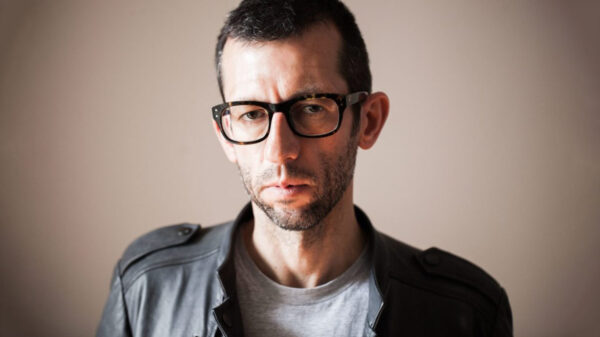


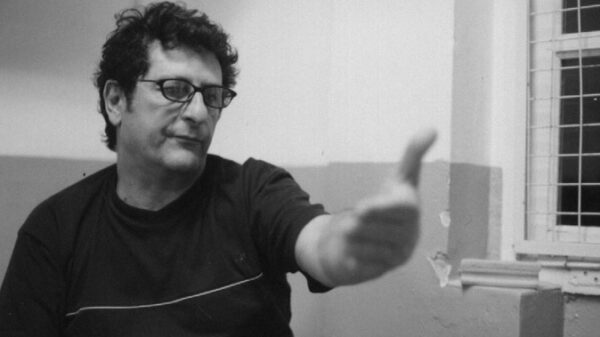
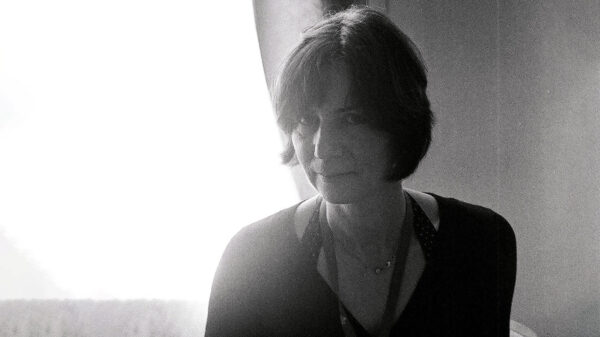
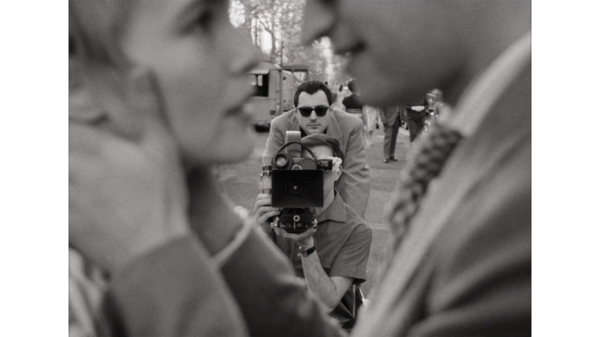

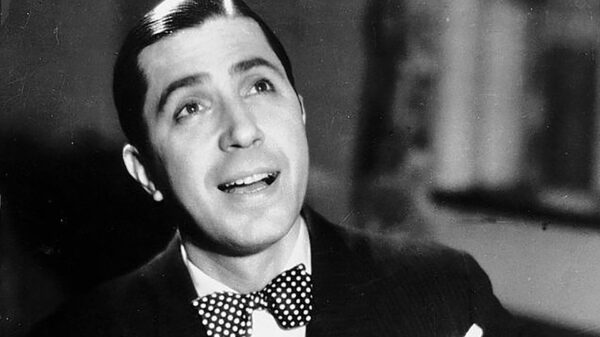


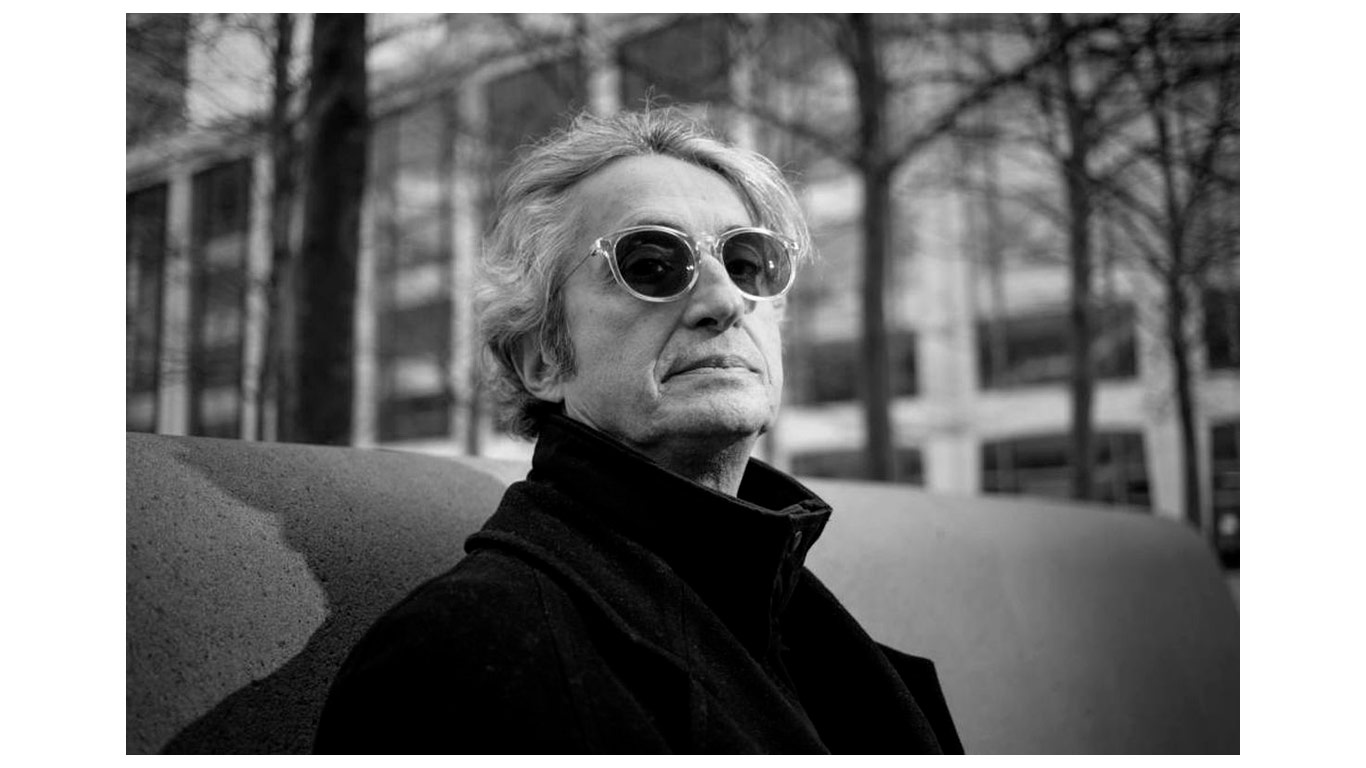
Luis Ospina – Santiago de Cali, Colombia.
Ojo y vista: peligra la vida del artista (Documentary Short, 2018); Hay Que Ser Paciente (Documentary Short, 2015); Todo comenzó por el fin (2015); Un tigre de papel (2008); La desazón suprema: Retrato de Fernando Vallejo (2003); Soplo de vida (1999); En busca de María (1985); Agarrando pueblo (1977); entre otras.
(18 de Abril de 2011 10:47) ¿Por qué filmo?
En 1987 el diario Libération de París hizo una encuesta entre cientos de cineastas del mundo entero preguntándoles: “¿Por qué filma usted?”. Ésta fue mi respuesta:
¿Por qué hago cine?
Porque soy muy nervioso para robar,
Porque detrás de la cámara oculto mi timidez.
Hago cine por terquedad,
Por la persistencia de la visión.
El cine es una fijación
De emociones en emulsiones.
El cine es una revelación
De lo negativo a lo positivo.
Para hacer cine hay que tener fe.
En el cine, fe es creer en lo que no se ha revelado.
El cine es un misterio gozoso, es la alquimia, la bolsa negra.
Es el oficio de tinieblas del siglo XX.
Para hacer cine hay que tener vocación
Porque produce hábito.
El cine es creación y re-creación.
Hago cine en el Tercer Mundo para encontrar el plano sur-americano capaz de revelar nuestra imagen subdesarrollada.
(April 18th 2011 10:47am) Why do I make film?
In 1987, the Liberation newspaper from Paris, made a poll with many film directors from all over the world asking them: “Why do you make films?”. This was my answer:
Why do I make films?
Because I’m too nervous to steal,
Because I hide my shyness behind the cameras.
I make films because I’m stubborn,
For the persistence of the view.
Cinema is the fixation
Of emotions in emulsions.
Cinema is the revelation
Of the negative into the positive.
To make films, you must have faith.
In cinema, to have faith is to believe in what is not revealed yet.
Cinema is a joyful mystery, it’s alchemy, it’s a black bag.
It’s the job of darkness of the 20th century.
To make films, you must have a vocation
Because it becomes a habit.
Cinema is creation and re-creation.
I make films in the Third World to find the South-American frame that can reveal our underdeveloped image.